Allergens
Gluten (cereals): risks and product recalls in Ireland
Cereals containing gluten (wheat, barley, rye and others) must be declared; undeclared gluten is a serious risk for people with coeliac disease.
What it is
Gluten is a protein found in wheat, barley, rye and related grains such as spelt. Coeliac disease is an autoimmune condition in which gluten damages the lining of the gut; it is different from a wheat allergy, which is an immune reaction to wheat proteins.
Health effects of a reaction
For people with coeliac disease, eating gluten can cause stomach pain, bloating, diarrhoea and fatigue, and over time damages the gut and affects nutrient absorption. Wheat allergy can cause typical allergic reactions, including, rarely, anaphylaxis.
How it leads to a recall
Recalls occur when a product labelled or assumed gluten-free actually contains gluten, or when a gluten-containing cereal is not declared — through a labelling error, recipe change or cross-contamination.
What to do
If you have coeliac disease or a wheat allergy, do not eat the affected product — return it for a refund. Speak to your GP or dietitian if you have ongoing symptoms.
Recent gluten (cereals) allergen recalls
24 recalls we track involve undeclared gluten (cereals), newest first.

Lidl's Crownfield Müsli-Riegel bars recalled due to undeclared allergens
Lidl is recalling specific batches of Crownfield Müsli-Riegel bars due to allergens not being labelled in English. The affected products include the Schoko and Schoko-Banane varieties, which may contain peanut, milk, and gluten-containing cereals, posing a risk to consumers with allergies. Consumers should not eat the implicated batches.
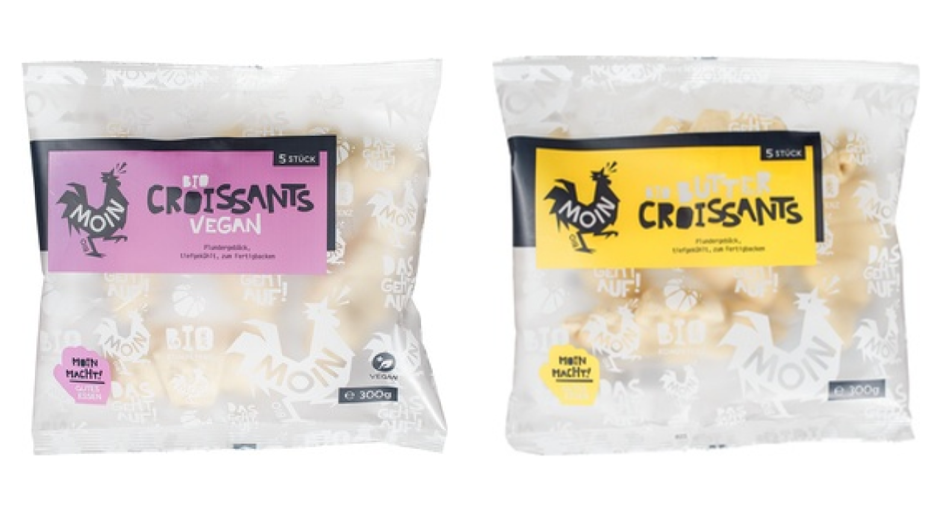
Moin Bio Croissants recalled due to undeclared allergens including gluten and milk
Moin Bio Croissants Vegan and Moin Bio Butter Croissants are being recalled due to undeclared allergens. The products contain gluten, milk, mustard, sesame seeds, and nuts, which are not labeled in English, posing a risk to consumers with allergies or intolerances.
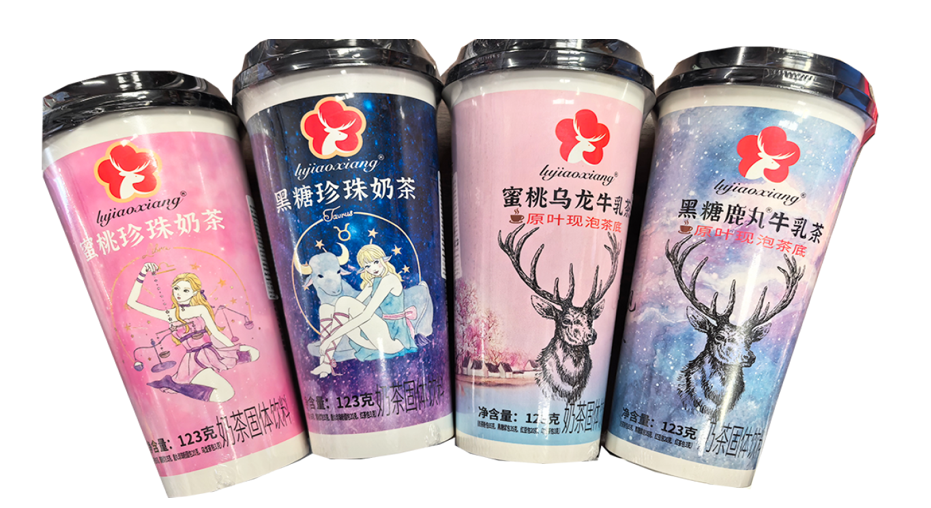
Rongs Wholesale Ltd. recalls various products due to undeclared allergens
Rongs Wholesale Ltd. is recalling various products due to undeclared and incorrectly declared allergens. This may pose a risk to consumers with allergies or intolerances to certain allergens.
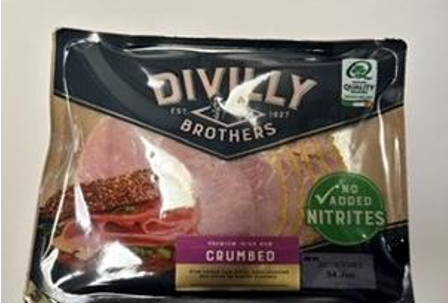
Divilly Brothers No Added Nitrite Crumbed Ham recalled due to gluten presence
Divilly Brothers No Added Nitrite Crumbed Ham is being recalled due to the presence of gluten (wheat), which is not declared in the ingredients list. This may pose a risk to consumers with gluten allergies or intolerances.
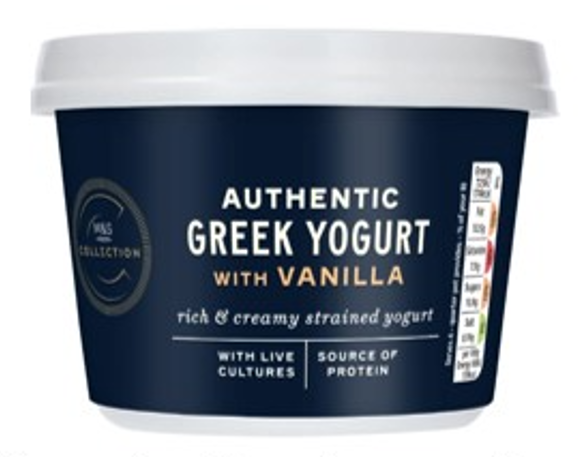
M&S Collection Authentic Greek Yogurt with Vanilla recalled due to gluten risk
M&S Collection Authentic Greek Yogurt with Vanilla is being recalled due to the possible presence of gluten, which is not declared in the ingredients. This may pose a risk to consumers who are allergic to or intolerant of gluten.
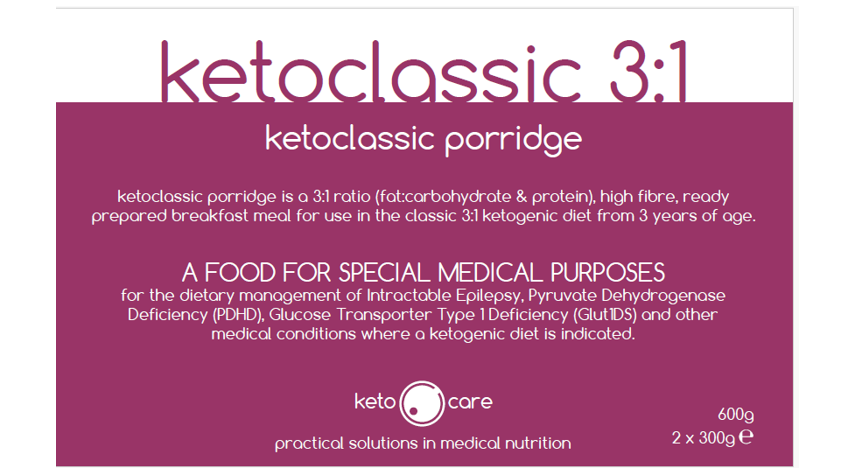
Ketoclassic 3:1 Porridge, Muesli and Savoury recalled due to incorrectly declared allergens
Ketoclassic 3:1 Porridge, Muesli, and Savoury are recalled due to incorrectly declared allergens. The products contain allergens such as gluten, sulphur dioxide, and milk that are not properly listed, making them unsafe for certain consumers.
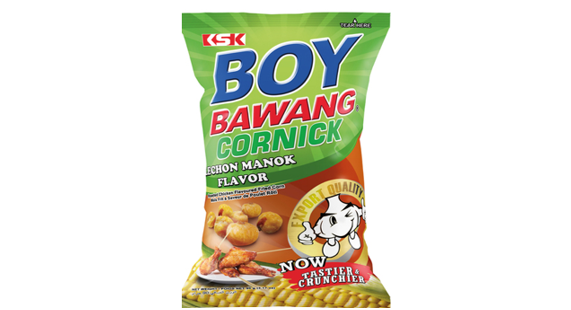
KSK Boy Bawang Cornick Lechon Manok Flavor recalled due to undeclared wheat
Specific batches of KSK Boy Bawang Cornick Lechon Manok Flavor are recalled due to undeclared wheat, which is a gluten-containing cereal. This poses a risk to consumers who are allergic to or intolerant of gluten.
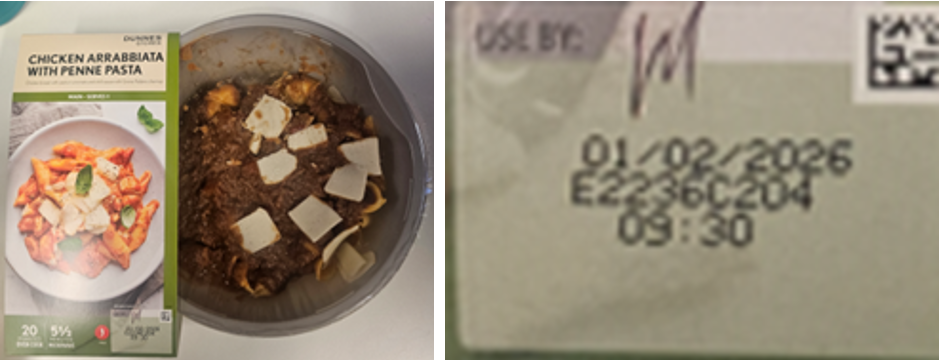
Dunnes Stores Chicken Arrabbiata recalled due to undeclared fish and barley
Dunnes Stores is recalling a batch of Chicken Arrabbiata with Penne Pasta due to undeclared fish and barley. The product was mispacked and contains Irish Beef Ragu and Conchiglie Pasta instead, which may pose a risk to those with allergies to these ingredients.
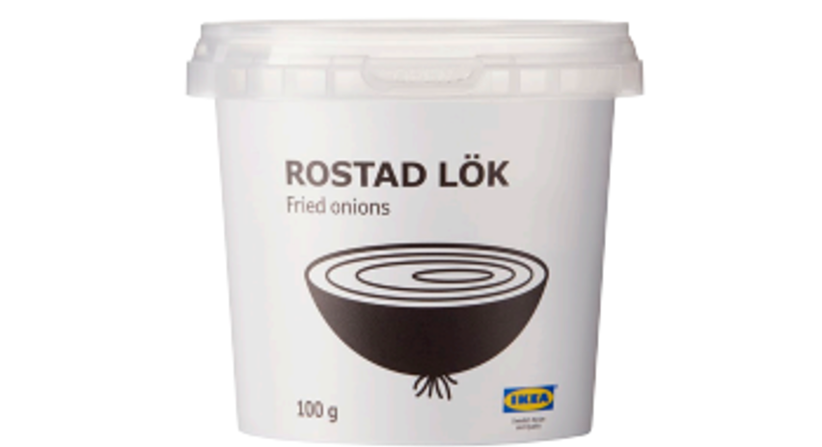
Ikea Rostad Lok Fried Onions recalled due to incorrectly declared wheat
Ikea is recalling all batches of Rostad Lok Fried Onions due to incorrectly declared wheat, which is not emphasized in the ingredients list. This may pose a risk to consumers allergic to or intolerant of gluten-containing cereals. The recall affects products with best before dates from 02-06-2026 to 22-11-2026.
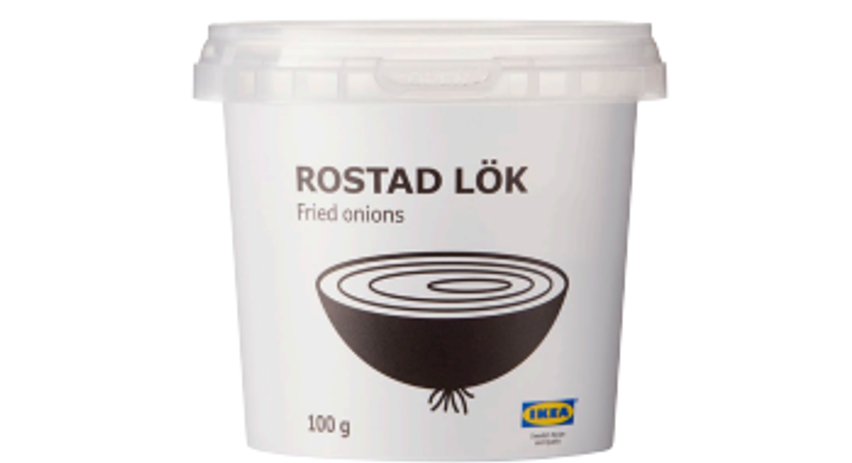
Ikea Rostad Lok Fried Onions recalled due to incorrectly declared wheat
Ikea is recalling some batches of Rostad Lok Fried Onions due to incorrectly declared wheat in the ingredients list. This poses a risk for consumers who are allergic to or intolerant of gluten. The affected batches include all best before dates from 01-09-2026 to 22-11-2026.
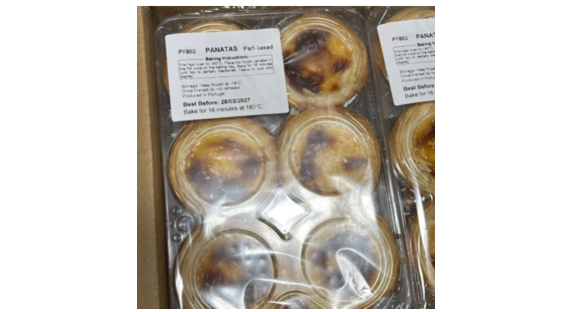
PYB02 Panatas Part-Baked custard tarts recalled due to undeclared wheat, eggs and milk
PYB02 Panatas Part-Baked custard tarts are being recalled due to undeclared wheat, eggs, and milk on the label. This poses a risk to consumers with allergies or intolerances to these ingredients.
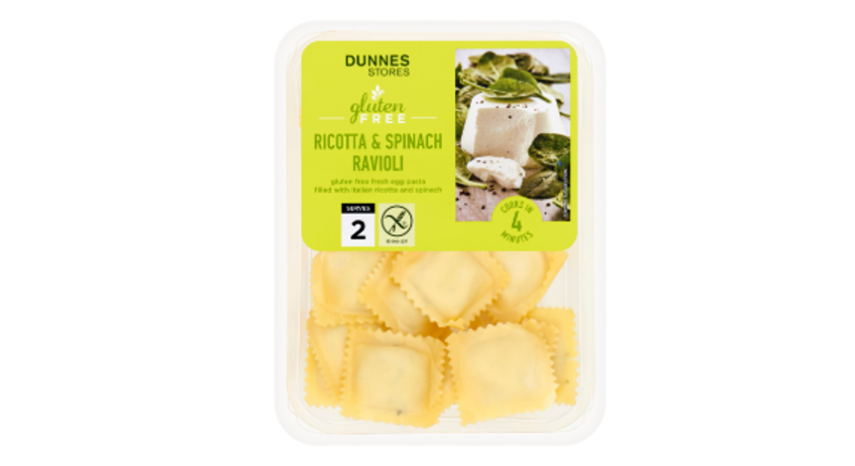
Dunnes Stores gluten free ricotta and spinach ravioli recalled due to gluten
Dunnes Stores is recalling a batch of their Gluten Free Ricotta and Spinach Ravioli due to the presence of gluten, which is not declared on the ingredients list. This may pose a risk to consumers who are allergic to or intolerant of gluten.
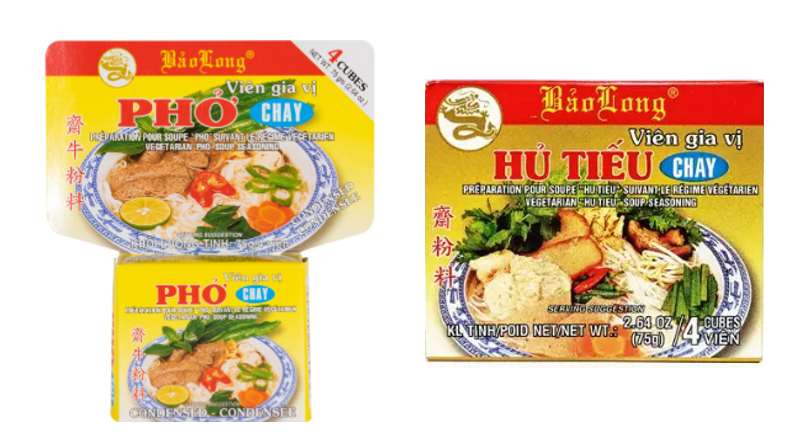
Bao Long Soup Seasonings recalled due to undeclared soy and gluten allergens
Various Bao Long Soup Seasonings are being recalled due to undeclared allergens. The affected products include Bao Long Pho Soup Seasoning and Bao Long Hủ tiếu Soup Seasoning, which contain soybeans and gluten, respectively. These allergens are not listed on the labels, posing a risk to consumers with allergies or intolerances.
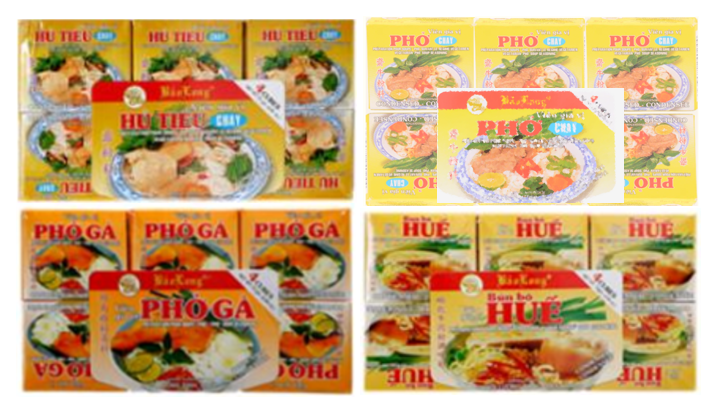
Bao Long Soup Seasonings recalled due to undeclared allergens
Certain batches of Bao Long Soup Seasonings are being recalled due to undeclared allergens, including soybeans, crustaceans, and cereals containing gluten. This may pose a risk to consumers with allergies or intolerances to these ingredients.
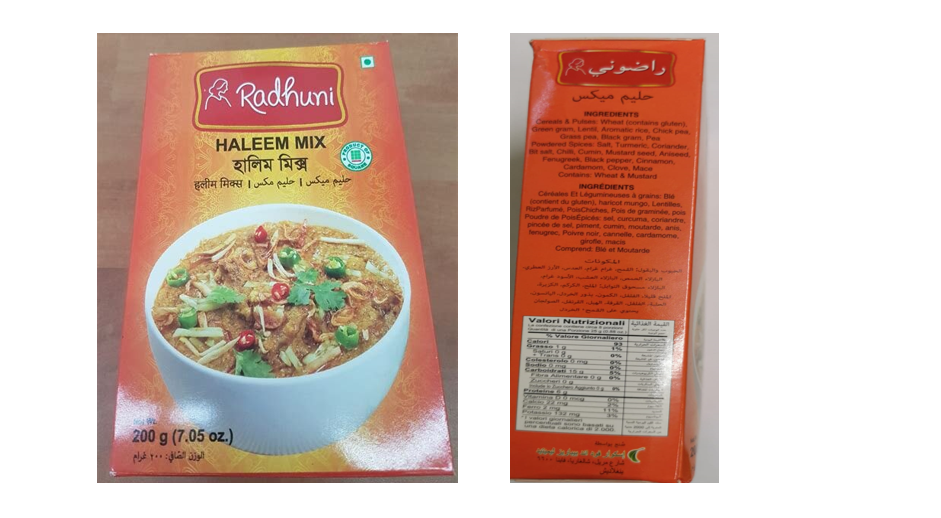
Radhuni Haleem Mix recalled due to undeclared wheat and mustard allergens
Radhuni Haleem Mix is being recalled due to incorrectly declared wheat and mustard in the ingredients list. This poses a risk to consumers who are allergic to or intolerant of these allergens.
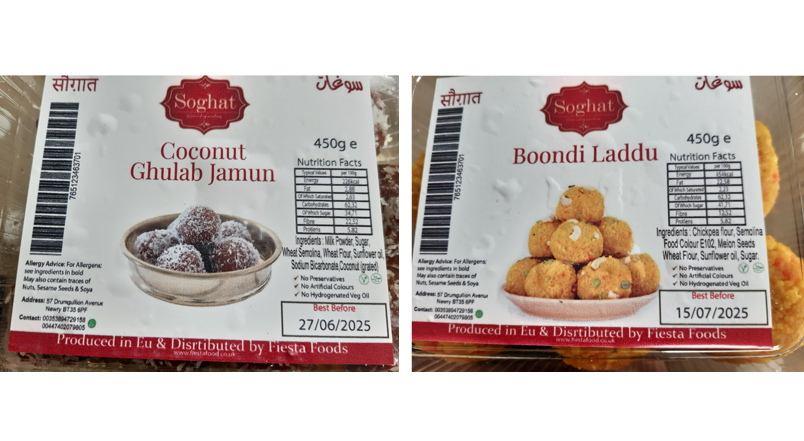
Soghat products recalled due to incorrectly declared allergens
Certain batches of Soghat products are being recalled due to incorrectly declared allergens. The affected products may contain milk and gluten, which are not highlighted on the labels, posing a risk to those with allergies or intolerances. Consumers should avoid these specific batches.
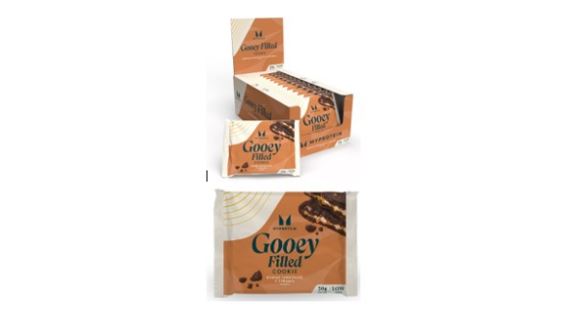
Myprotein Gooey Filled Cookie recalled due to undeclared wheat allergen
Specific batches of Myprotein Gooey Filled Cookie, Double Chocolate & Caramel are recalled due to undeclared wheat, which is a gluten-containing cereal. This poses a risk to consumers who are allergic to or intolerant of gluten.

Brady Family Master Butcher Edition 7 Day Dry Aged Glazed Ham recalled due to undeclared wheat
A batch of Brady Family Master Butcher Edition 7 Day Dry Aged Glazed Ham is recalled due to undeclared wheat, which is a hazard for those allergic to gluten. The affected product was mispacked with crumbed ham.
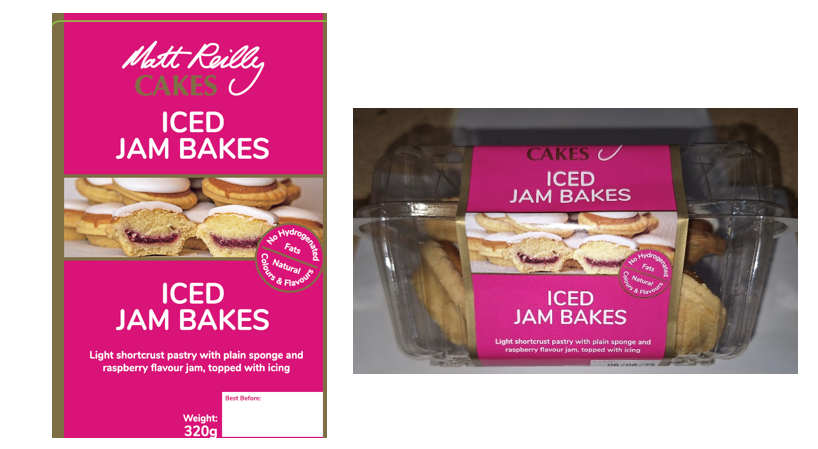
Matt Reilly Cakes Iced Jam Bakes recalled due to undeclared wheat allergen
Matt Reilly Cakes Iced Jam Bakes are being recalled due to undeclared wheat in the ingredients list. This poses a risk to consumers who are allergic to or intolerant of gluten-containing cereals.
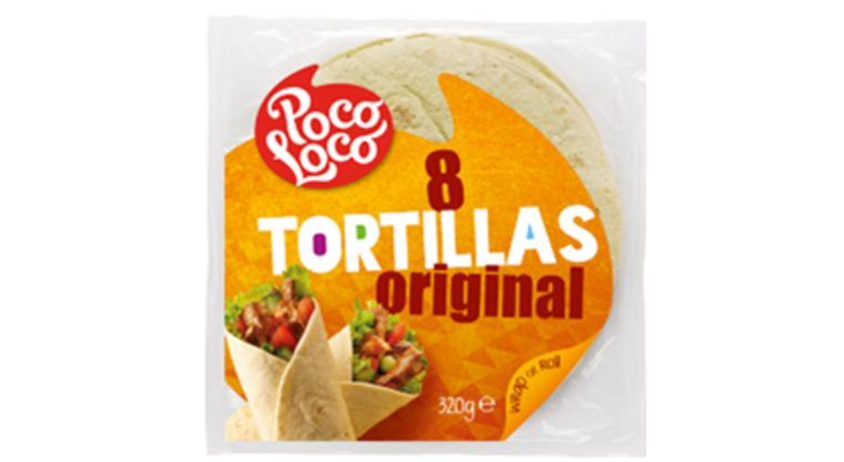
Poco Loco 8 Tortillas Original recalled due to undeclared wheat allergen
Poco Loco is recalling specific batches of 8 Tortillas Original because they are not labelled in English and contain wheat, which is a gluten allergen. This may pose a risk to consumers with gluten allergies or intolerances.
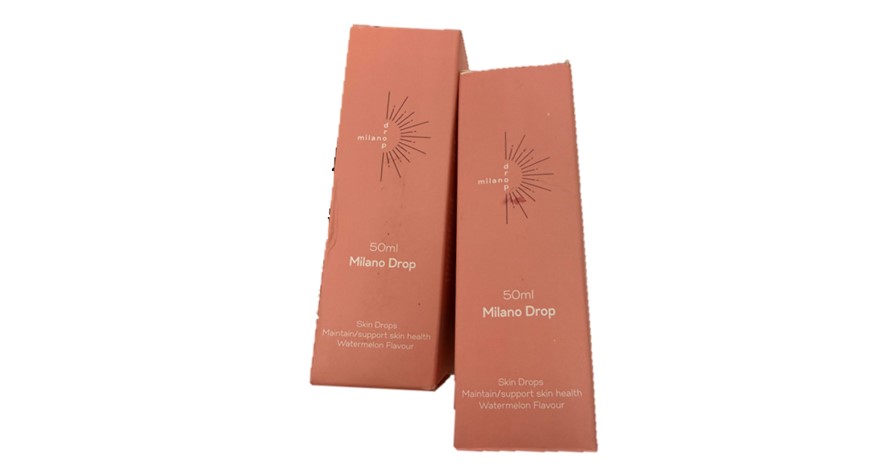
Milano Drops Skin Drops recalled due to undeclared allergens: sulphites and soya
Milano Drop Skin Drops are being recalled due to the presence of sulphites and soya, and possible presence of gluten that is not declared on the label. This may pose a risk to consumers with allergies or intolerances to these allergens.
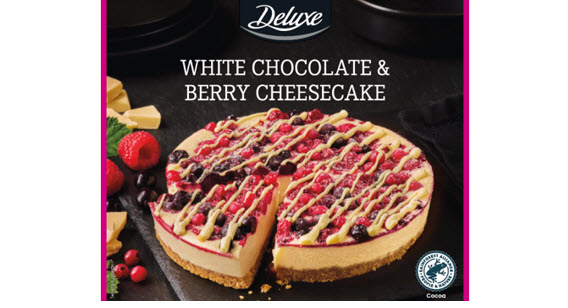
Lidl Deluxe Cheesecake recalled due to undeclared allergens in English
Certain batches of Lidl Deluxe White Chocolate & Berry Cheesecake are recalled because the allergens are not labelled in English. This may pose a risk to consumers with allergies to wheat, egg, soya, or milk. The affected product is a 480g cheesecake from the UK.
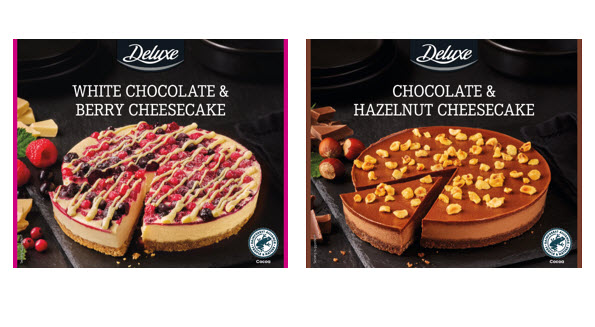
Lidl Deluxe cheesecakes recalled due to undeclared allergens in English
Specific batches of Lidl Deluxe Cheesecakes are recalled because the allergens are not labelled in English. The affected products are the Deluxe White Chocolate & Berry Cheesecake and Deluxe Chocolate & Hazelnut Cheesecake. This may pose a risk to consumers with allergies to wheat, milk, soya, hazelnuts, or egg.
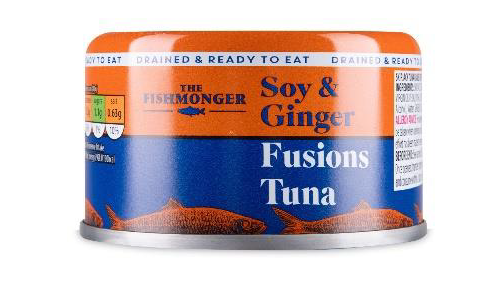
The Fishmonger Soy & Ginger Fusions Tuna recalled due to undeclared wheat
All batches of The Fishmonger Soy & Ginger Fusions Tuna are recalled due to undeclared wheat, which is a hazard for those allergic to or intolerant of gluten. The product was sold in Aldi stores.
Official sources
This page is general information, not medical advice. Always follow the official recall notice, and contact your GP, pharmacist or the HSE if you are worried about your health. In an emergency call 112 or 999.