Necklace recalled due to excessive cadmium and nickel release
A necklace identified as model ZY250B12TB232 has been recalled due to high levels of cadmium and nickel. These substances pose health risks, including potential kidney damage and allergic reactions.

A necklace, model ZY250B12TB232, has been recalled because it contains an excessive amount of cadmium and releases too much nickel. Cadmium can accumulate in the body and may lead to serious health issues such as kidney damage and cancer. Nickel can cause allergic reactions when it comes into direct and prolonged contact with the skin.
The product was manufactured in the People's Republic of China and has been notified to authorities in Ireland, Belgium, and Poland. It does not comply with the REACH Regulation, which sets safety standards for chemical substances in consumer products.
Consumers who have purchased this necklace should be aware of the potential health risks associated with its use. The product has been removed from online marketplaces as a precautionary measure.
From the official notice
Product: Necklace Category: Jewellery Type / model: ZY250B12TB232 Country of origin: People's Republic of China Notified by: Ireland Other countries acting: Belgium, Poland Risk The product has an excessive concentration of cadmium (measured value: 87% by weight) and the rate of nickel release is too high (1.6 μg/cm³/week). Cadmium is harmful to human health because it accumulates in the body, can…
Frequently asked questions
Is Necklace being recalled in Ireland?
Yes. A necklace identified as model ZY250B12TB232 has been recalled due to high levels of cadmium and nickel. These substances pose health risks, including potential kidney damage and allergic reactions.
Why is Necklace being recalled?
The recall relates to a chemical hazard. A necklace identified as model ZY250B12TB232 has been recalled due to high levels of cadmium and nickel. These substances pose health risks, including potential kidney damage and allergic reactions.
More other recalls
View all →
Necklace recalled due to high nickel release causing allergic reactions
A necklace has been recalled due to excessive nickel release, which can cause allergic reactions. The product does not comply with safety regulations.
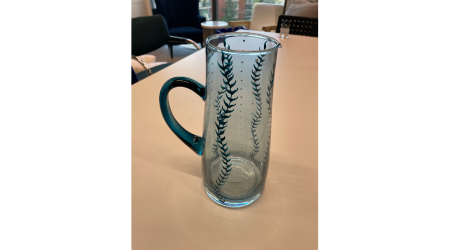
Marks and Spencer Hand Painted Jug recalled due to risk of cuts
Marks and Spencer is recalling the Marks and Spencer Hand Painted Jug due to a risk of cuts from a manufacturing fault that may cause the product to break. Approximately 14 affected products are in the Republic of Ireland.
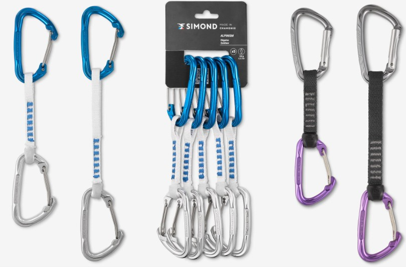
SIMOND recalls Alpinism and Vertika quickdraws due to injury risk
SIMOND is recalling ALPINISM & VERTIKA Quickdraws sold by Decathlon due to an injury risk. A defect in the wire gate riveting can cause the wire gate to break or detach, leading to potential carabiner failure in a fall.
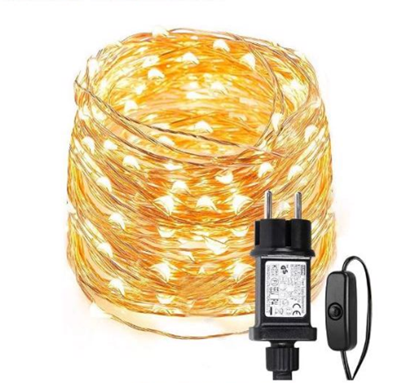
Lepro le Lighting Chain recalled due to fire hazard from water ingress
Lepro le Lighting Chains sold on Amazon are being recalled due to a fire risk caused by insufficient protection against water ingress, which could lead to a short circuit. The affected model number is PR4300008-WW-EU.
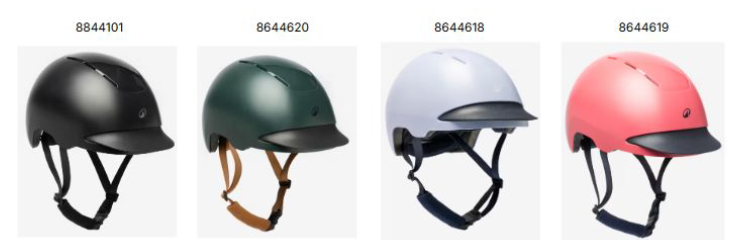
Decathlon recalls FOUGANZA New Horse Riding Helmet 100 due to injury risk
Decathlon is recalling the FOUGANZA New Horse Riding Helmet 100 due to an injury risk as the strap can slip backwards, reducing helmet stability and protection. All sizes and models 8844101 (Black), 8644620 (Green), 8644618 (Lavender), and 8644619 (Pink) are affected.
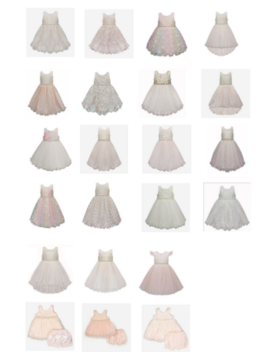
TK Maxx and Homesense recall American Princess & Couture Princess dresses due to injury risk
TJX Ireland Unlimited Company is recalling American Princess & Couture Princess Occasion Dresses due to a risk of injuries. The dresses have a plastic wire in the hem that may become exposed, creating a potential entanglement or trip hazard.