Product Safety Information Notice on certain Gas Hobs, Gas Supply Elbow Joints
Certain models of Belling, Cooke and Lewis, and Caple Gas Hobs and Gas Supply Elbow Joints are recalled due to a safety issue where the gas supply elbow joint may fracture, leading to gas leaks. This poses risks of burns, fire, explosion, and poisoning.
- Product
- Gas Hobs, Gas Supply Elbow Joints
- What to do
- Consumers should identify their gas hob using the data plate and contact the manufacturer or retailer for further information.
- Publication date:18 July 2023
A safety issue has been identified with certain models of Belling, Cooke and Lewis and Caple Gas Hobs, Gas Supply Elbow Joints, manufactured after May 2019 and which may be installed in domestic settings and the leisure market (holiday homes, caravans and boats).
The gas supply elbow joint from the gas hob to the gas supply may fracture, which can cause gas to leak through the fracture. This presents a risk of burns, fire, explosion and poisoning from inhalation which could pose a risk to health, or even death.
The CCPC is currently liaising with and seeking assurance from these businesses that they will inform consumers of the safety issue and address the risks from any affected hobs they have already supplied to consumers in Ireland.
The Product Safety Information notice which includes images and additional information for each brand affected by this issue can be found below.
Consumers can identify their gas hob by referring to the data plate (sometimes referred to as data badge or rating plate) on the appliance. The data plate contains information such as the manufacturer’s name, brand name, the appliance type, batch number, serial number, SKU number, model number and barcode.
The data plate is generally located below the gas hob structure and may be difficult for a consumer to access, but may also be found at the front, back or side of the appliance. A second data plate and its details may be supplied in the documentation pack that comes with the appliance.
If a consumer is finding it difficult to easily identify and access the data plate then it is safer to not try to access it, the consumer should refer to the documentation pack or contact the manufacturer or retailer.
If you smell gas, please contact Gas Networks Ireland immediately on 1800 20 50 50.
Read further information about Gas Safety from Gas Networks Ireland.
View all product safety noticesFrequently asked questions
Is Gas Hobs, Gas Supply Elbow Joints being recalled in Ireland?
Yes. Certain models of Belling, Cooke and Lewis, and Caple Gas Hobs and Gas Supply Elbow Joints are recalled due to a safety issue where the gas supply elbow joint may fracture, leading to gas leaks. This poses risks of burns, fire, explosion, and poisoning.
Why is Gas Hobs, Gas Supply Elbow Joints being recalled?
The recall relates to a fire / burn hazard. Certain models of Belling, Cooke and Lewis, and Caple Gas Hobs and Gas Supply Elbow Joints are recalled due to a safety issue where the gas supply elbow joint may fracture, leading to gas leaks. This poses risks of burns, fire, explosion, and poisoning.
What should I do if I have this product?
Consumers should identify their gas hob using the data plate and contact the manufacturer or retailer for further information.
More electronics recalls
View all →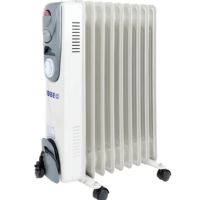
Cromwell Tools Limited Recalls Kobe 2kw Oil-Filled 9 Fin Radiator
Cromwell Tools Limited recalls the Kobe 2kw Oil-Filled 9 Fin Radiator due to a risk of fire from a manufacturing defect in the plug that may overheat. This could result in the plug and cable melting or catching fire.
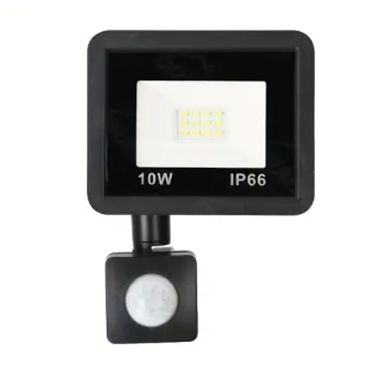
Temu recalls AVANLO LED Floodlight sold by AVANLO on the TEMU platform
TEMU is recalling the AVANLO LED Floodlight due to a fire and burn risk. The plastic case is not self-extinguishing, which can lead to burns and fire. Approximately 31 products are affected in the Republic of Ireland.
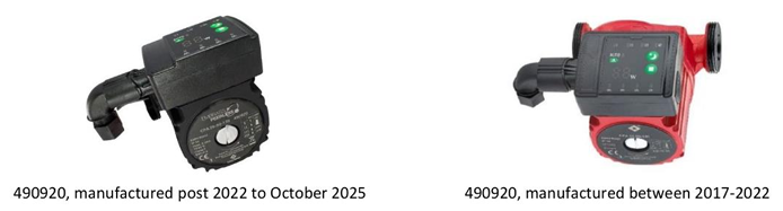
Product Safety Information Notice Eclipse / Embrass Peerless Universal Circulating Pump
The Eclipse / Embrass Peerless Universal Circulating Pump has been recalled due to a safety issue where the mains electrical coupling can be connected in reverse, posing a serious risk of electrocution. The affected product code is 490920.
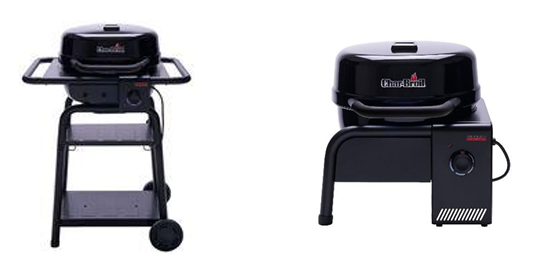
Char‑Broil Europe GmbH recalls Char-Broil Patio Bistro Electric Grills
Char‑Broil Europe GmbH is recalling certain Char-Broil Patio Bistro E2Coal and Patio Bistro Cube E Electric Grills due to a risk of electric shock. The grounding wire for the heating element may not be fully tightened, which can lead to disconnection and loss of fault protection. The recall affects models manufactured between October and December 2025.
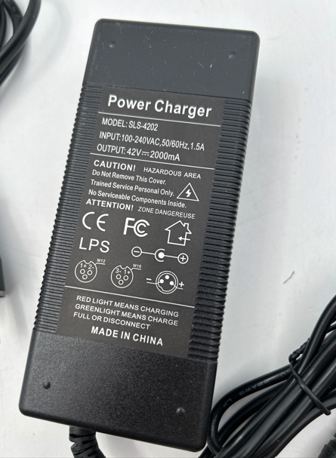
Product Safety Information Notice on Battery power charger for electric scooters sold on the eBay platform
A safety issue has been identified with a battery power charger for electric scooters sold on eBay. The product presents an electric shock risk due to accessible live parts. The model number is SLS-4202.
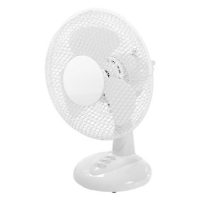
B&Q Ireland Limited recalls 9 Inch Table Fan
B&Q Ireland Limited is recalling a 9 Inch Table Fan due to a risk of electric shock and fire caused by a manufacturing fault. The power supply's sleeving may become damaged during use, leading to overheating and melting.